

Ever thought about the marvels that orbit above our heads? Space technology isn’t just for astronauts and scientists: it impacts our daily lives in ways we often overlook. From GPS to weather forecasting, the advancements in this field make our world a little brighter… and definitely a lot cooler. In this text, we’ll explore what space technology really is, trace its historical journey, and peek into the future, all while having a little fun along the way.
Definition and Importance of Space Technology
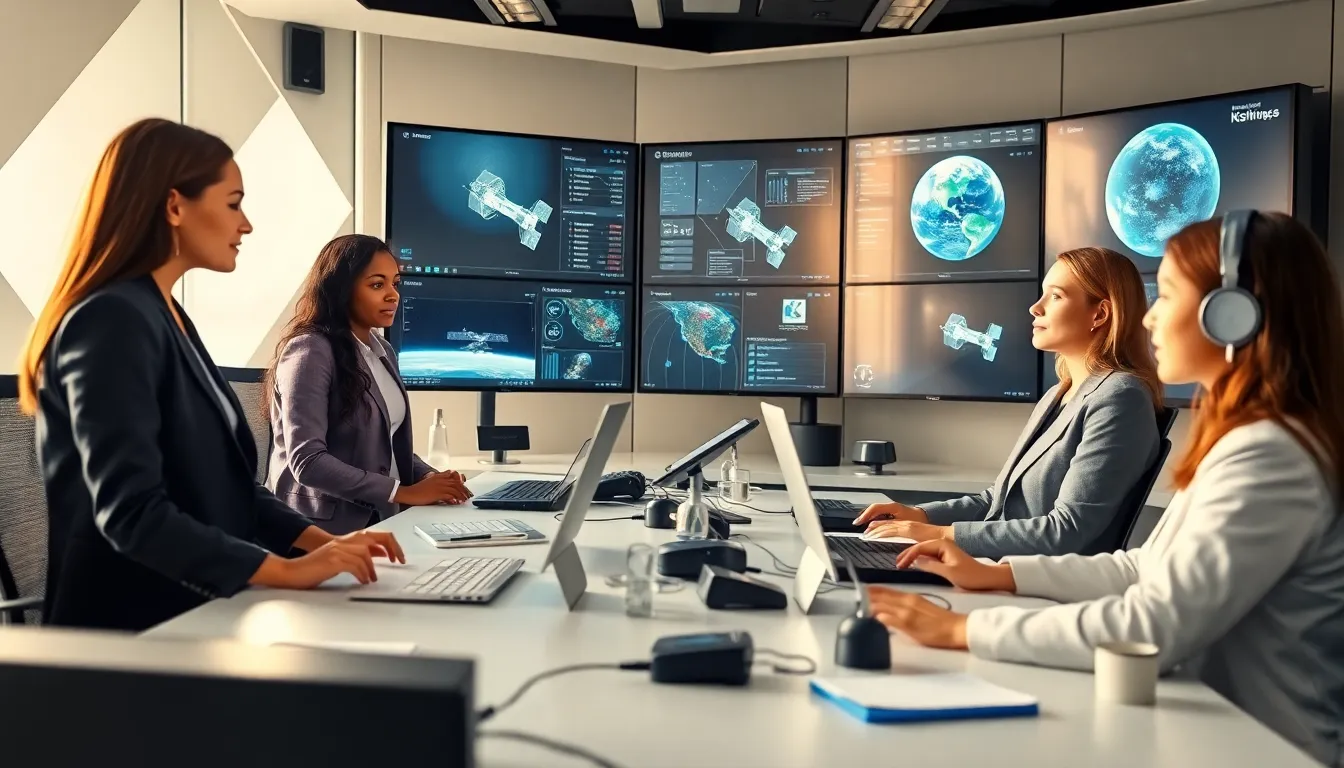
Space technology refers to the tools, equipment, and methods used to explore, understand, and use outer space. Think of it as humanity’s playground beyond Earth, where science meets the cosmos. It encompasses a wide array of systems, satellites, spacecraft, and space stations, that serve multiple purposes.
The importance of space technology cannot be overstated. It drives advancements in various sectors, including telecommunications, environmental monitoring, and defense. It also enhances our understanding of the universe, providing insights into everything from climate change to the origins of life itself. Without it, GPS would be a distant dream, weather forecasts might involve a crystal ball instead of satellite data, and our ability to observe celestial bodies would be severely limited.
Historical Development of Space Technology
The journey of space technology essentially began in the mid-20th century. In 1957, the Soviet Union took a giant leap by launching Sputnik, the first human-made satellite. This small metal sphere changed the game, marking the dawn of the space age. Fast forward just a few years, and we had the first human in space, Yuri Gagarin, in 1961. These milestones didn’t just ignite national pride: they sparked international competition and innovation.
The U.S. responded with NASA and soon enough, we were landing on the Moon. Celebrated for its ambition, the Apollo program showcased the remarkable capabilities of space technology. It didn’t stop there: throughout the 1980s and beyond, space technology underwent rapid advancements. Satellites became essential for communication, navigation, and weather prediction, revolutionizing how humans interact with one another.
Key Components of Space Technology
At its core, space technology consists of several critical components:
Satellites
Satellites serve various functions like telecommunications, weather forecasting, and Earth observation. They orbit our planet in clusters, providing data that keeps us connected and informed.
Spacecraft
Craft designed for carrying humans and equipment into space fall under this category. Their design must account for extreme conditions, ensuring safety during missions to the International Space Station and beyond.
Launch Vehicles
These powerful rockets send satellites and spacecraft into orbit. Launch technology has evolved significantly, becoming more efficient and cost-effective over time, which spurs further advancements in space exploration.
Ground Control Stations
These facilities are the command centers for monitoring and controlling space missions. They collect data from satellites and relay instructions, ensuring smooth operations in the vastness of space.
Applications of Space Technology
Space technology finds its applications in a myriad of fields:
Communication
Most people just take satellite communication for granted. Without it, everyday tasks like streaming favorite shows or making phone calls would be a different story altogether.
Environmental Monitoring
Satellites play a crucial role in tracking climate change, deforestation, and natural disasters. This data is vital for scientists and policymakers aiming to mitigate environmental challenges.
Navigation
GPS, which most people can’t live without, directly stems from advancements in space technology. Knowing how to get from point A to point B has never been easier, thanks to satellites pulsing reliable data to our devices.
Scientific Discovery
The exploration of distant planets, asteroids, and moons has led to unprecedented discoveries. For instance, NASA’s Mars Rover missions have revealed critical information about the Red Planet, indicative of possible past life.
Challenges in Space Technology Development
While the future of space technology seems bright, various challenges persist that must be overcome:
Funding
Space missions can be astronomically expensive, often leading to questions on budget allocation. Pursuing large-scale projects requires balancing public interest with taxpayer commitments.
Technological Limitations
Developing technologies like propulsion systems and life support mechanisms for long-duration missions can be incredibly complex and costly.
Debris in Space
As more satellites populate orbit, space debris becomes an increasing concern. Navigating this planetary minefield is a significant challenge for fresh missions.
Policy and Regulation
The lack of international agreements on space activities leads to competition among nations, making it tricky to collaboratively explore the cosmos for the benefit of all.
Future Trends in Space Technology
The future of space technology is as exciting as it is uncertain. Here’s what to look out for:
Commercial Space Travel
With companies like SpaceX and Blue Origin paving the way, space tourism may become reachable for more than just the ultra-wealthy. Imagine sipping a martini in low Earth orbit.
Mars Colonization
Plans for human settlements on Mars are no longer just science fiction. Organizations are working tirelessly on technologies that could enable humans to live on the Red Planet.
Space Mining
Asteroids rich in metals could revolutionize resource extraction. Mining resources from space can reduce dependency on Earth’s limited supplies and open new economic horizons.
Enhanced Satellite Technology
With a trend towards miniaturized satellites (CubeSats), the potential for new applications in various fields expands significantly, driving further innovation.


